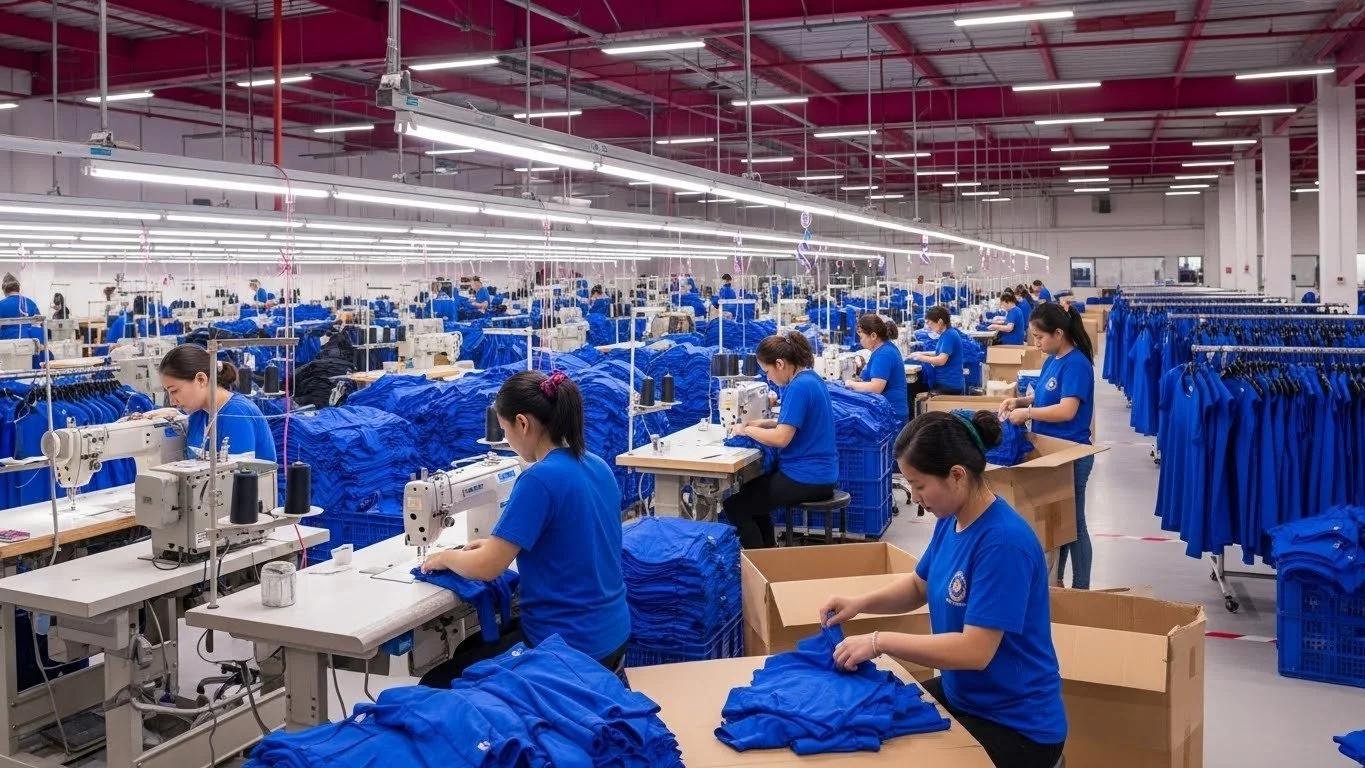
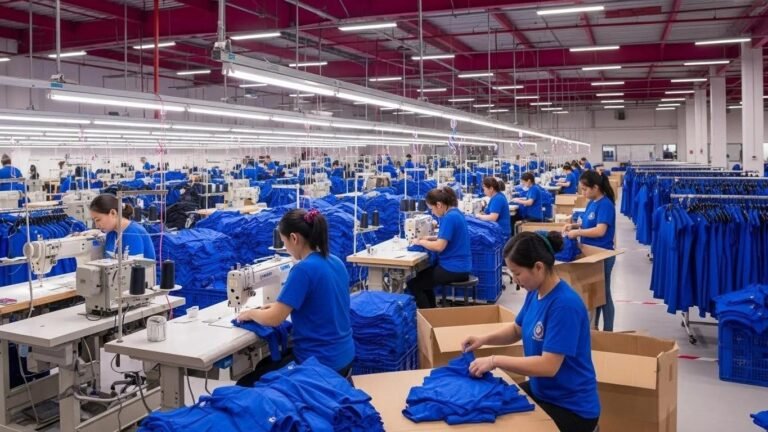
Finding the right wholesale clothing manufacturer is an important decision for businesses that want to build a clothing collection, expand their product range, or supply apparel to customers in competitive markets like New York. The manufacturer you choose can influence everything from product quality and customization to order quantities, production costs, and consistency across future orders.
Choosing a wholesale clothing manufacturer requires careful consideration of product quality, customization, pricing, and production requirements.
For wholesale dealers, distributors, retailers, and clothing brands, the decision goes beyond finding someone who can produce garments in bulk. You need a manufacturing partner who understands your product requirements, follows your specifications, and can support your business as your clothing range develops.
Whether you are sourcing custom streetwear, sportswear, or activewear, it is worth taking the time to compare manufacturers before committing to a bulk order.
A suitable wholesale clothing manufacturer should understand the needs of businesses ordering custom apparel in bulk.
If you are looking for a wholesale clothing manufacturer in New York, this guide explains what to consider, which questions to ask, and how to make a more informed manufacturing decision.
For businesses looking to develop custom apparel collections, Falmatoo Cloth offers manufacturing options across streetwear, sportswear, and activewear.
1. Understand What Your Business Needs Before Choosing a Manufacturer
Before contacting a manufacturer, get a clear picture of what your business actually needs. Not every wholesale buyer has the same requirements, and the type of clothing you want to produce will influence the manufacturing process.
Choosing a wholesale clothing manufacturer requires understanding whether the supplier can meet your product specifications, order quantities, and long-term business requirements.
A wholesale clothing manufacturer should be able to understand these requirements before preparing a production quotation.
For example, a retailer developing a streetwear collection may prioritize garment appearance, fabric feel, and branding. A sportswear distributor may focus more on garment fit, functional fabrics, and customization options. An activewear brand may have different expectations for construction, comfort, and product consistency.
Start by identifying:
- The type of clothing you want to manufacture.
- Your intended customers and target market.
- The estimated quantity for your first order.
- Your preferred fabrics and garment specifications.
- Any logos, artwork, or branding requirements.
- Your expected product quality and price range.
- Your intended delivery destination and timeline.
Sharing these details helps a wholesale clothing manufacturer evaluate your order more accurately.
Having these details ready makes conversations with potential manufacturers more productive. It also helps you receive quotations that are based on actual requirements rather than rough estimates.
2. Choose a Manufacturer That Offers the Right Clothing Categories
A manufacturer may specialize in particular types of apparel, so it is important to check whether its production offering matches your business model.
The right wholesale clothing manufacturer should offer production categories that match your intended market.
For wholesale businesses, three relevant categories are streetwear, sportswear, and activewear.
Custom Streetwear Manufacturing
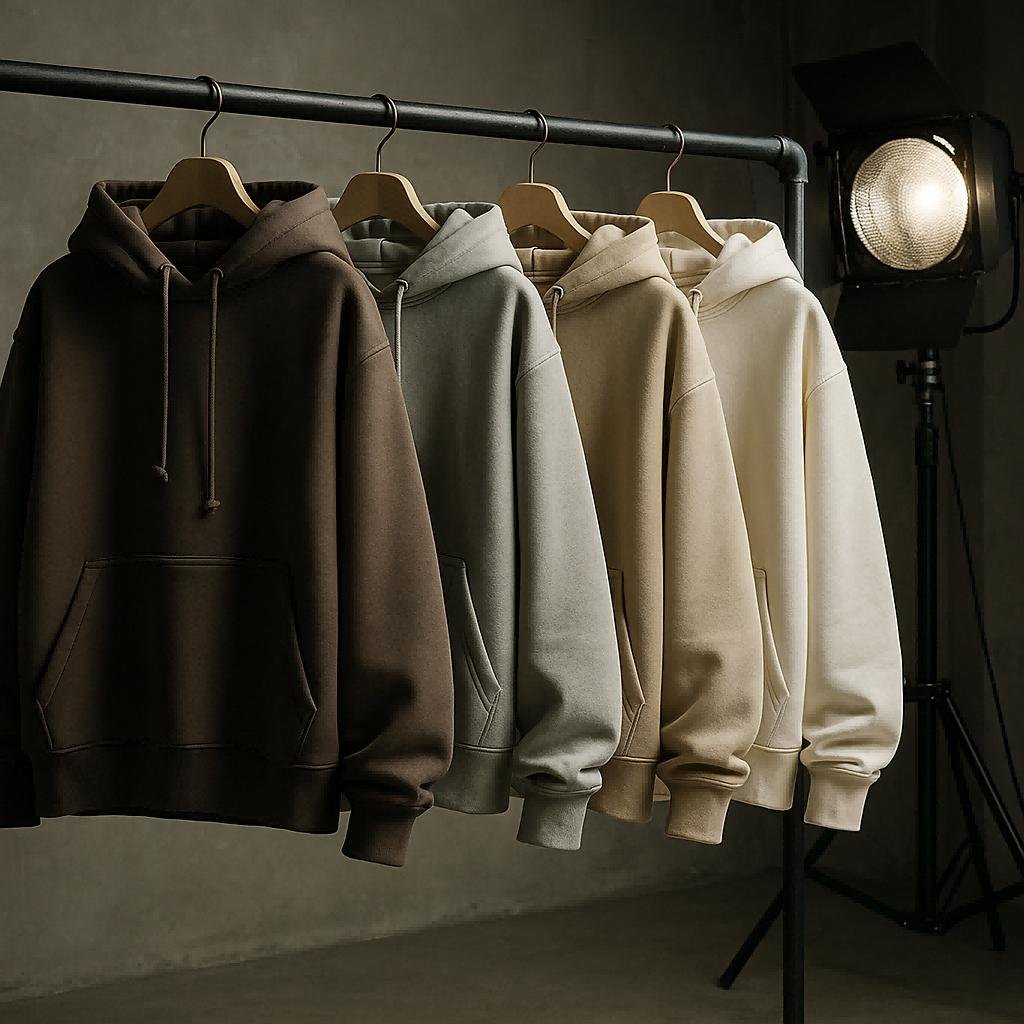
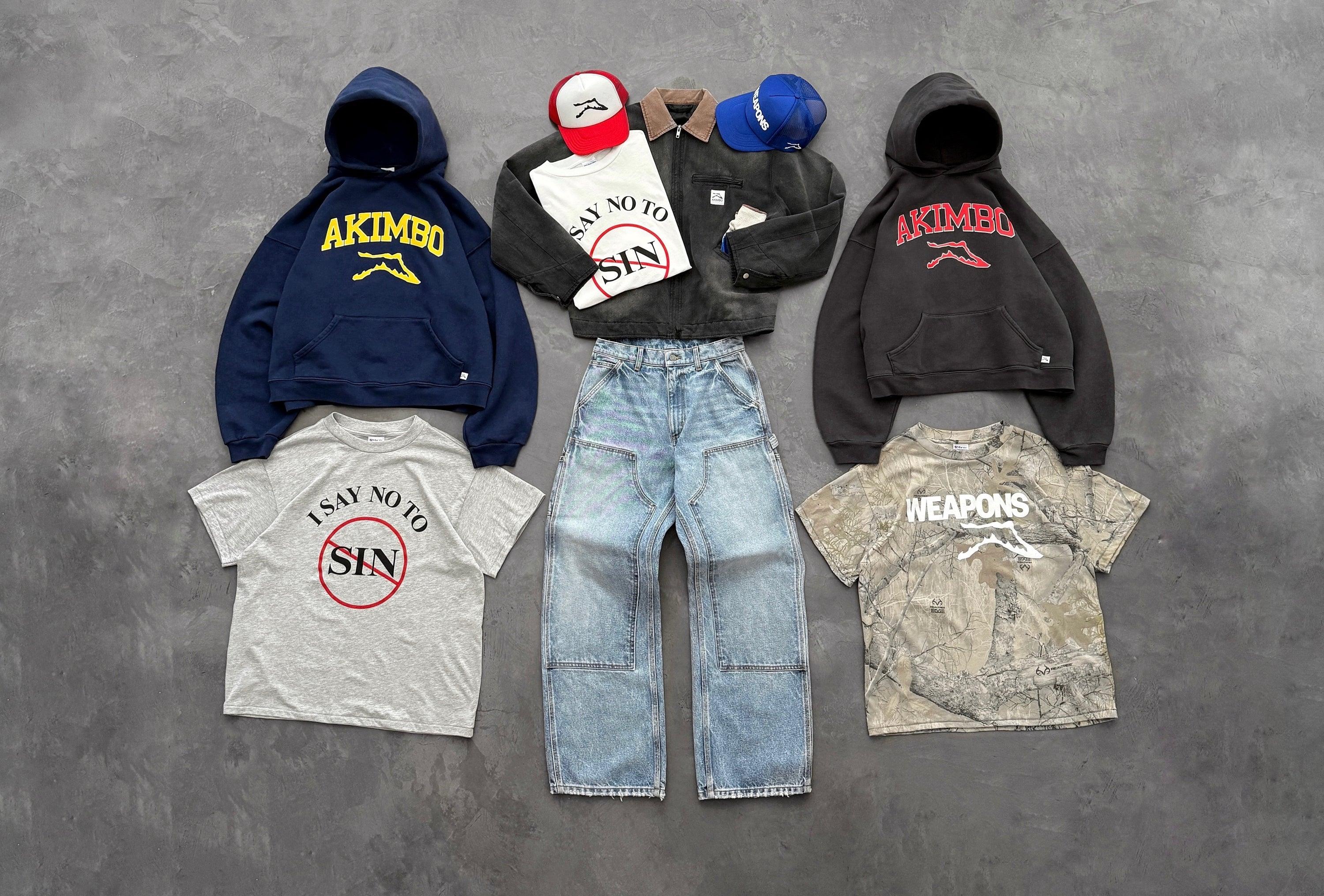
Streetwear is a popular category for clothing brands and retailers developing their own collections. It often involves distinctive designs, branded details, and different garment styles.
A wholesale clothing manufacturer familiar with custom streetwear requirements can help businesses discuss their collection specifications.
Wholesale buyers interested in streetwear may look for custom:
- Hoodies and sweatshirts.
- T-shirts and oversized shirts.
- Sweatpants and tracksuits.
- Custom-designed casual apparel.
When evaluating a streetwear manufacturer, consider how clearly you can communicate your design requirements, fabric preferences, garment construction, and branding details.
A well-planned collection should have a consistent look and feel across its different products. Before placing a bulk order, make sure the manufacturer understands the specifications for every garment in the collection.
Custom Sportswear Manufacturing
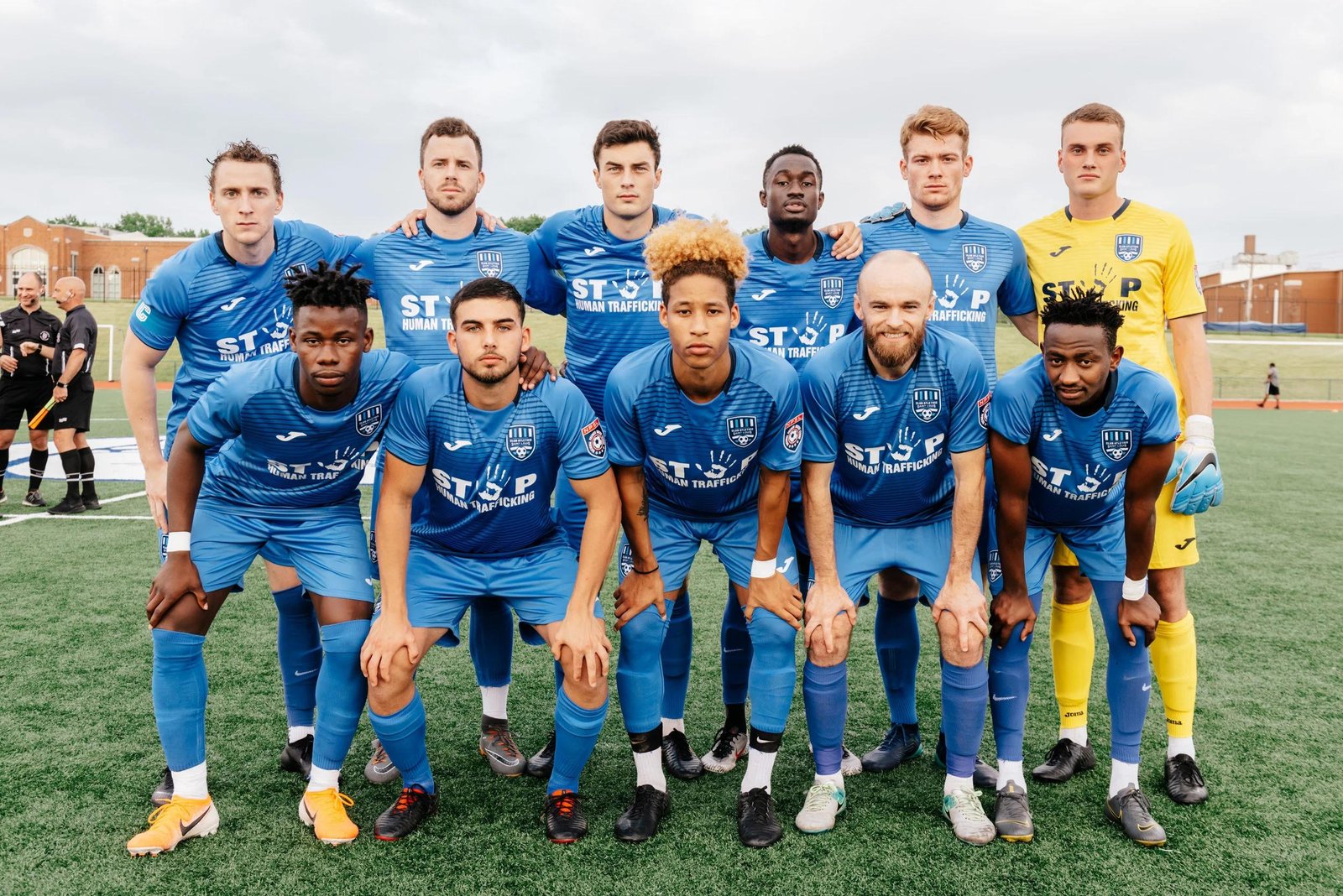
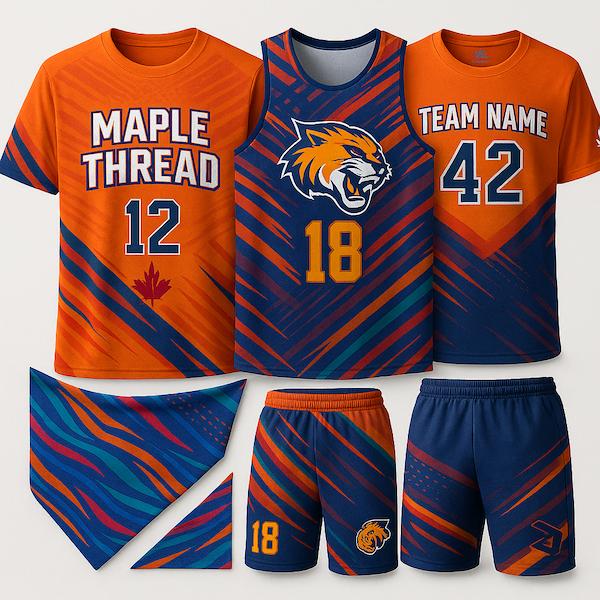
Sportswear is another opportunity for wholesale dealers and distributors serving teams, clubs, retailers, and sports-related businesses.
When choosing a wholesale clothing manufacturer for sportswear, consider the specific requirements of your intended customers.
Unlike ordinary casual apparel, sportswear requirements can vary depending on the activity, intended use, and customer expectations.
When discussing a sportswear order, consider:
- The type of sportswear required.
- Fabric and garment specifications.
- Fit and sizing requirements.
- Team logos and other design elements.
- Printing or embroidery requirements.
- Product consistency across the order.
If you are supplying sportswear to different teams or retailers, clear specifications are particularly important. They help reduce confusion when discussing designs, quantities, and individual product requirements.
Custom Activewear Manufacturing
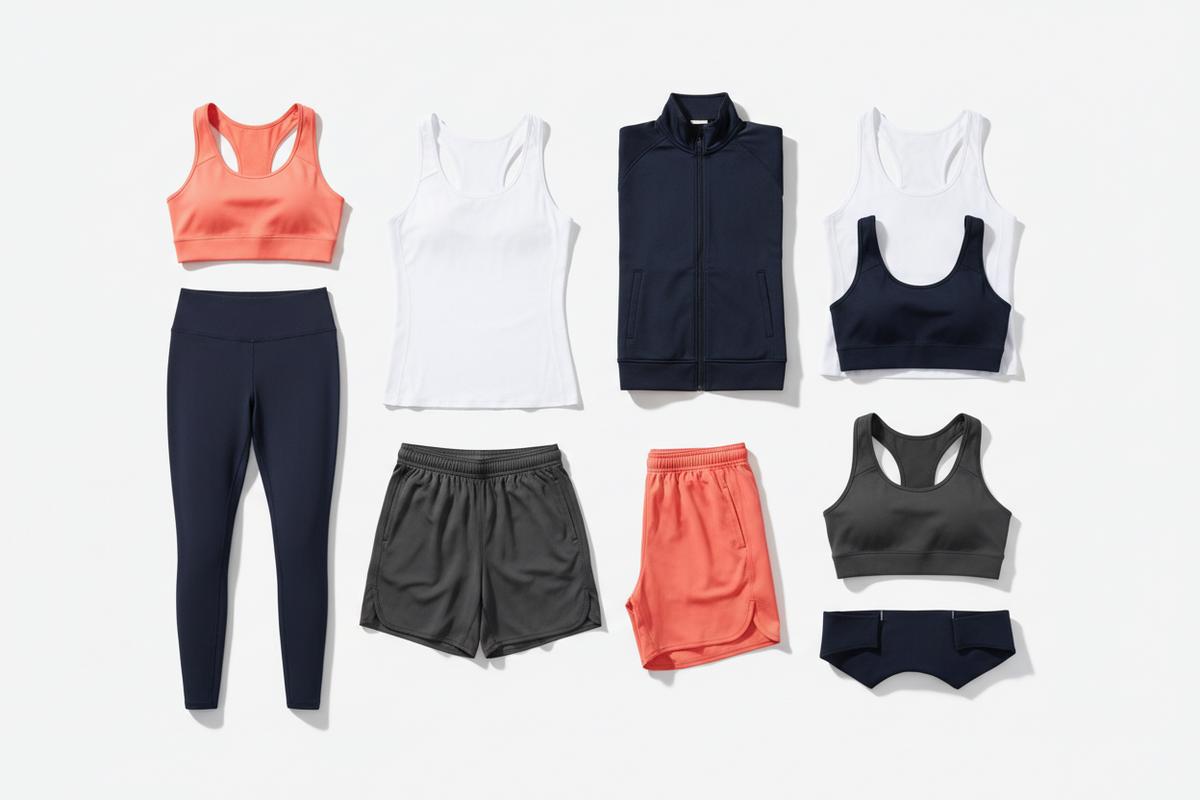
Activewear is designed for customers who need apparel for fitness, exercise, training, and other physical activities.
An experienced wholesale clothing manufacturer should understand the product requirements you communicate for activewear production.
Businesses entering this category should pay attention to the intended use of each garment. Fabric selection, fit, construction, and comfort all contribute to the finished product.
When discussing activewear production, clarify:
- The type of activewear you want to manufacture.
- Your preferred fabric characteristics.
- Garment fit and sizing expectations.
- Branding and customization requirements.
- Any specific product performance expectations.
Rather than assuming that one fabric or design works for every activewear product, communicate the intended use and specifications with your manufacturer.
3. Understand the Difference Between Ready-Made Wholesale and Custom Manufacturing
One of the first things wholesale buyers should understand is the difference between purchasing existing clothing inventory and ordering custom-manufactured apparel.
A wholesale clothing manufacturer offering custom production works differently from a supplier selling existing ready-made inventory.
These are two different sourcing approaches.
Ready-made wholesale clothing generally involves purchasing garments that have already been manufactured and are available for resale. Buyers select from existing products, colors, and sizes offered by a supplier.
Custom wholesale clothing manufacturing involves producing garments according to a buyer’s requirements. These may include selected designs, fabric specifications, colors, branding, and other product details.
A reliable wholesale clothing manufacturer should clearly understand these requirements before starting custom production.
For businesses building their own apparel collections, custom manufacturing offers more control over how their products look and are presented to customers.
A wholesale clothing manufacturer focused on custom production works according to the buyer’s agreed product requirements.
For example, a clothing brand may want its own hoodie design, while a sportswear distributor may need apparel featuring specific team branding. An activewear retailer may want products developed around its preferred collection requirements.
Falmatoo Cloth focuses on custom clothing manufacturing for businesses looking to develop streetwear, sportswear, and activewear collections in bulk.
This approach is particularly relevant to buyers who have their own product ideas and want those requirements reflected in the finished garments.
4. Evaluate Fabric Selection and Product Specifications
Fabric selection plays a major role in how a garment looks, feels, and performs. The right material depends on the clothing category, intended use, design, and customer expectations.
Discussing material options with a wholesale clothing manufacturer can help you identify suitable fabrics for your products.
For example, streetwear, sportswear, and activewear do not necessarily require the same fabric characteristics.
A streetwear buyer may prioritize fabric weight, texture, structure, and overall appearance. Sportswear buyers may have different requirements based on the intended activity, while activewear buyers may place greater emphasis on comfort, fit, and the expected use of the garment.
When discussing fabric with a manufacturer, ask about:
- Available fabric options for your product.
- Fabric composition and weight.
- Texture and overall feel.
- Suitability for the intended garment.
- Expected appearance after production.
- Care and maintenance requirements.
What Does GSM Mean in Clothing Manufacturing?
GSM stands for grams per square meter. It measures the weight of a fabric per unit of area and is commonly used when comparing fabric weights.
However, a higher GSM does not automatically mean that a fabric is better quality. The appropriate fabric weight depends on the garment, material composition, construction, and intended use.
For example, a buyer developing a heavier streetwear garment may have different GSM requirements from a business ordering lightweight activewear.
Instead of selecting fabric based on GSM alone, discuss the overall material requirements with your manufacturer and request suitable options for your product.
For additional information about textile product labeling in the United States, buyers can review the FTC’s official guidance
A wholesale clothing manufacturer can help clarify which fabric specifications are suitable for the intended garment.
5. Check Customization and Branding Options
For businesses developing their own clothing collections, customization is an important part of the manufacturing process.
Your wholesale clothing manufacturer should understand the artwork and branding requirements before production begins.
The ability to communicate your design requirements clearly helps ensure that the finished products reflect your intended brand identity.
Depending on the garment and available production methods, customization may involve:
- Screen printing.
- Direct-to-film (DTF) printing.
- Embroidery.
- Custom colors and design elements.
- Brand logos and artwork.
- Labels and other branding details.
Discuss these options with your wholesale clothing manufacturer before finalizing your design.
Not every customization method is suitable for every fabric or garment. For example, embroidery, screen printing, and DTF printing each have different applications and considerations.
Before confirming an order, discuss the available techniques with your manufacturer. Ask how your chosen design can be applied to the selected garment and whether any adjustments are needed.
It is also important to review the artwork, placement, size, and colors before approving production.
Planning a custom clothing collection? Share your product ideas, artwork, estimated quantities, and customization requirements with Falmatoo Cloth to discuss suitable manufacturing options for your wholesale order.
6. Understand MOQ Before Placing a Bulk Order
MOQ stands for Minimum Order Quantity. It refers to the minimum number of pieces a manufacturer requires for a particular order.
MOQ is an important consideration for wholesale dealers and distributors because it directly affects how they plan their initial purchases and inventory.
Every wholesale clothing manufacturer may have different MOQ arrangements depending on the product and production requirements.
When comparing a wholesale clothing manufacturer, always clarify how minimum quantities are calculated for different products and customization requirements.
Some businesses may want to start with a smaller order to evaluate customer demand, while established distributors may require larger quantities across multiple products.
However, MOQ is not necessarily the same for every clothing category or manufacturing requirement.
It can depend on several factors:
- Type of garment.
- Fabric selection.
- Customization requirements.
- Number of designs and color variations.
- Production arrangements.
- Overall order specifications.
For example, a custom streetwear order may have different production requirements from a sportswear or activewear order.
When contacting a manufacturer, ask whether the MOQ applies per design, per product, or to the overall order. Also clarify whether different sizes and colors can be included within the same production arrangement.
Getting these details confirmed early can help you plan your purchasing budget and avoid misunderstandings later.
Confirming these details with your wholesale clothing manufacturer can make bulk-order planning easier.
7. Evaluate Manufacturing Quality Before Ordering in Bulk
A wholesale order represents an investment for your business. If the finished garments do not match your expectations, it can affect customer satisfaction, product returns, and your ability to maintain a consistent collection.
A wholesale clothing manufacturer should have a clear understanding of the specifications agreed for bulk production.
A dependable wholesale clothing manufacturer should be able to discuss the quality expectations and product specifications that will guide bulk production.
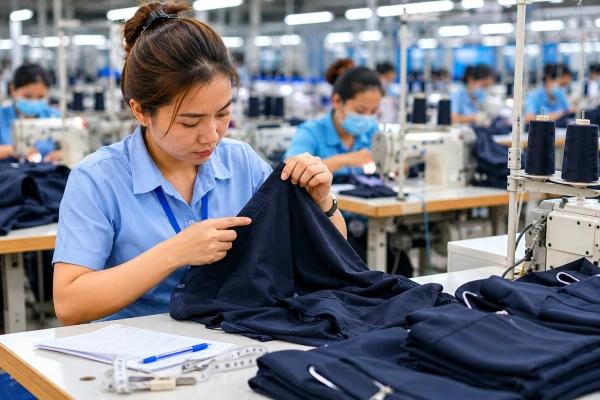
That is why quality should be discussed before production begins, rather than after the order has been completed.
When evaluating a manufacturer, pay attention to the following areas:
Stitching and construction: Check whether the garment construction matches the intended design and specifications.
Fabric consistency: Confirm that the selected material matches the approved fabric requirements.
Sizing and measurements: Make sure the required measurements and size specifications are clearly communicated.
Printing and embroidery: Review the appearance, positioning, and finishing of any customization.
Overall finishing: Look for consistency in garment appearance, seams, labels, and other details.
It is also helpful to establish which specifications will be used as the reference for bulk production.
For wholesale businesses, consistency across an order is particularly important. Products may be distributed to different retailers or customers, so the garments should follow the same approved requirements.
8. Ask About Samples Before Committing to Bulk Production
A product description or design image cannot always communicate how a finished garment will look and feel.
Ask your wholesale clothing manufacturer whether a sample can be arranged for your particular project.
This is why sample evaluation can be useful when developing a custom clothing collection.
A sample allows buyers to assess important product details before moving forward with a larger order.
Depending on the garment, you may want to review:
- Fabric feel and weight.
- Fit and measurements.
- Stitching and construction.
- Color accuracy.
- Printing and embroidery.
- Overall garment finishing.
If samples are available for your project, discuss the process and any associated costs with the manufacturer.
It is also important to agree on what happens after sample approval. Any changes to fabric, measurements, artwork, or other specifications should be communicated before bulk production begins.
For distributors and clothing brands, this step can help reduce the risk of receiving products that differ from the original expectations.
9. Compare Wholesale Pricing and Manufacturing Costs
Price is naturally an important factor when choosing a wholesale clothing manufacturer. However, comparing quotations based only on the cost per garment may not give you a complete picture.
When evaluating a wholesale clothing manufacturer, compare the complete quotation rather than focusing only on the price per garment.
A wholesale clothing manufacturer should prepare quotations based on the actual product and order specifications.
Two quotations can look similar while covering different fabrics, customization methods, construction requirements, or order specifications.
A more useful comparison considers the complete manufacturing requirements.
Your quotation may depend on:
- Garment type and design complexity.
- Fabric composition and weight.
- Order quantity.
- Printing or embroidery.
- Additional branding requirements.
- Packaging specifications.
- Shipping and delivery arrangements.
Before comparing prices, make sure each manufacturer is quoting against the same product specifications.
It is also worth asking whether changes to quantities, materials, or customization will affect the quoted price.
For wholesale dealers and distributors, understanding the complete cost structure helps with inventory planning and resale pricing.
The objective should not simply be to find the cheapest quotation. It should be to find a manufacturing arrangement that meets your product requirements and makes commercial sense for your business.
10. Consider Production Planning and Delivery Requirements
Production planning is another important part of wholesale manufacturing, especially when you are preparing inventory for a particular season, product launch, or retail schedule.
Discuss the expected production schedule with your wholesale clothing manufacturer before confirming an order.
A manufacturer needs clear information about the order before a realistic production schedule can be discussed.
When requesting a quotation, provide:
- Your required products.
- Estimated order quantities.
- Design and customization details.
- Size and color breakdowns.
- Any special packaging requirements.
- Your expected delivery date.
- Your delivery destination.
Manufacturing time can vary depending on the order quantity, garment specifications, fabric availability, and customization requirements.
Shipping arrangements and delivery times also need to be considered separately from production.
If you are ordering from an international manufacturer, discuss the available shipping arrangements, estimated delivery schedule, and any applicable import or customs requirements before confirming your order.
Planning these details in advance can make it easier to coordinate manufacturing with your business’s purchasing and inventory requirements.
11. Questions to Ask Before Choosing a Wholesale Clothing Manufacturer
Before placing an order, it is worth having a detailed conversation with the manufacturer.
These questions can help you assess whether a wholesale clothing manufacturer is suitable for your business.
Before selecting a wholesale clothing manufacturer, make sure you understand its production process, product options, and order requirements.
Here are some useful questions to include:
- Which clothing categories do you manufacture?
- Can you produce garments using our own designs?
- What is the MOQ for each product?
- Which fabric options are available?
- What customization methods can be used?
- Can we discuss samples before bulk production?
- How do you handle sizing and product specifications?
- What information do you need to prepare a quotation?
- What production timeline can you offer for our requirements?
- What shipping arrangements are available for our destination?
A reliable manufacturing discussion should give you a clear understanding of what can be produced, what information is required, and which details need to be finalized before the order begins.
Do not hesitate to ask for clarification if a quotation or production specification is unclear.
12. Why Consider Falmatoo Cloth for Custom Wholesale Clothing?
For wholesale buyers, working with a manufacturer that understands custom apparel requirements can make the process of developing a clothing collection easier to manage.
Selecting a wholesale clothing manufacturer that understands custom apparel requirements is an important step for bulk buyers.
Falmatoo Cloth focuses on custom clothing manufacturing across three categories: streetwear, sportswear, and activewear.
This gives businesses an opportunity to discuss different apparel requirements with a manufacturer that works with these product categories.
Whether you are a clothing retailer developing a streetwear range, a distributor exploring custom sportswear, or an apparel business planning an activewear collection, the first step is to communicate your requirements clearly.
When approaching Falmatoo Cloth, you can prepare the following information:
- Product category and garment type.
- Design references or artwork.
- Preferred fabric and specifications.
- Estimated order quantity.
- Required sizes and colors.
- Customization and branding details.
- Delivery destination.
These details help the team understand your project and discuss the relevant manufacturing requirements.
Rather than starting with a general pricing request, providing a clear product brief gives the manufacturing team more useful information to review.
Looking for a Custom Wholesale Clothing Manufacturer?
If you are planning a bulk order for streetwear, sportswear, or activewear, contact Falmatoo Cloth to discuss your product requirements, customization ideas, and estimated quantities.
Final Thoughts
Choosing the right wholesale clothing manufacturer involves more than comparing prices or finding someone who can produce garments in bulk.
The right wholesale clothing manufacturer should align with your product requirements, budget, and business expectations.
You need to understand the manufacturer’s product categories, fabric options, customization capabilities, MOQ requirements, quality expectations, and production arrangements.
For wholesale dealers, distributors, retailers, and clothing brands in New York and across the United States, taking time to evaluate these details can help avoid unnecessary problems during manufacturing.
If your business is planning a custom streetwear, sportswear, or activewear collection, Falmatoo Cloth is worth considering for your bulk manufacturing requirements.
Prepare your product specifications, share your design ideas, and discuss your estimated order quantity with the team to explore the next steps.
FAQ
1. Does Falmatoo Cloth manufacture custom wholesale clothing?
Yes. Falmatoo Cloth focuses on custom clothing manufacturing for wholesale and bulk orders, with product categories including streetwear, sportswear, and activewear. Buyers can discuss their designs, product specifications, quantities, and customization requirements with the team.
2. What types of clothing can I order from Falmatoo Cloth?
Falmatoo Cloth works with three main categories: streetwear, sportswear, and activewear. The specific garments and production requirements can be discussed based on your intended collection and order specifications.
3. Can I order custom clothing using my own designs?
You can share your design references, artwork, logos, color preferences, and product specifications with Falmatoo Cloth. The team can review your requirements and discuss suitable manufacturing and customization options for your project.
4. What is the minimum order quantity for wholesale clothing?
The minimum order quantity depends on the garment type, fabric, customization requirements, and production arrangements. Contact Falmatoo Cloth with your product details and estimated quantity to confirm the applicable MOQ for your order.
5. Can I order different sizes and colors in one wholesale order?
Size and color arrangements depend on the product specifications and production requirements. Share your required size and color breakdown with Falmatoo Cloth so the team can discuss the available arrangements for your order.
6. Does Falmatoo Cloth offer samples before bulk production?
If you want to evaluate a product before placing a bulk order, discuss sample availability and the associated requirements with Falmatoo Cloth. You can ask about reviewing fabric, fit, construction, colors, and customization before approving production.
7. Can I add my brand logo to custom wholesale clothing?
Branding and customization requirements can be discussed with Falmatoo Cloth. Share your logo, artwork, preferred placement, and garment details so the team can review suitable customization methods for your products.
8. How much does custom wholesale clothing manufacturing cost?
The cost depends on the garment type, fabric, order quantity, customization methods, and other production requirements. To receive a quotation from Falmatoo Cloth, share your design references, estimated quantity, and product specifications.
9. Can wholesale dealers and distributors place bulk orders with Falmatoo Cloth?
Yes. Falmatoo Cloth focuses on custom clothing manufacturing for wholesale and bulk-order requirements. Dealers and distributors can discuss their product categories, quantities, specifications, and customization needs with the team.
10. How can I request a wholesale clothing manufacturing quotation from Falmatoo Cloth?
To request a quotation, share your product category, garment designs, estimated quantity, fabric preferences, customization requirements, size breakdown, and delivery destination. Falmatoo Cloth can review the information and discuss the manufacturing requirements for your project.