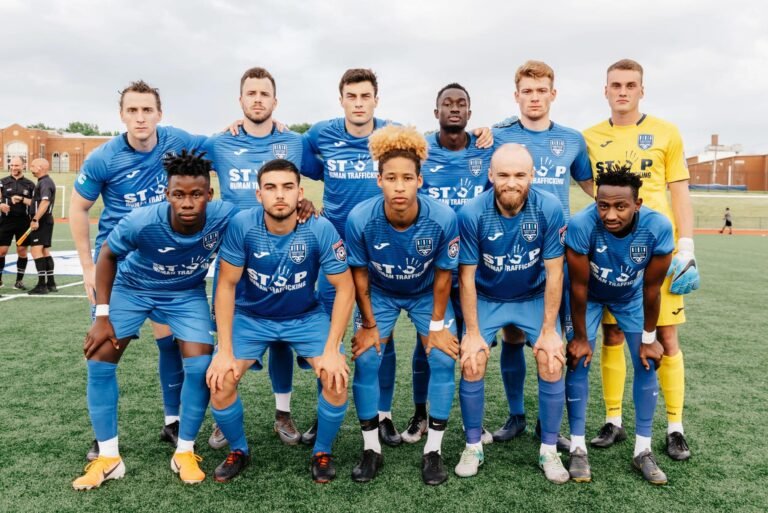
Whether you manage a school team, sports club, athletic organization or competitive team choosing the sportswear is an important decision. I have seen how the right sportswear can change a team’s mood and set a tone for practice and games. Team apparel is more, than clothing; team apparel builds team identity creates a sense of unity and gives athletes confidence when representing their club. I have seen how team apparel can boost confidence and bring a team together on the field. Team apparel represents the team’s identity creates an appearance and team apparel must support athletes during training, practice and competition. I believe that team apparel must help athletes feel prepared and proud at every moment.
Custom sportswear gives teams more flexibility when selecting apparel that represents their identity and specific requirements.
That is why many teams are moving towards custom sportswear instead of relying on standard, off-the-shelf apparel. Custom sportswear allows teams to choose designs, colors, logos, and other details that reflect their identity and requirements.
Choosing custom sportswear gives teams the flexibility to create apparel that matches their identity, preferred designs, and performance requirements.
However, selecting the right apparel involves more than choosing an attractive design. You also need to consider fabric, comfort, fit, durability, customization options, sizing, and the manufacturer responsible for producing your order.
In this guide, we will explain how to choose custom sportswear for your team, what to consider before placing an order, and how to find a manufacturer that understands your requirements.
1. Understand Your Team’s Sportswear Requirements
Before contacting a manufacturer or selecting a design, identify what your team actually needs. Different sports involve different activities, movements, and apparel requirements.
For example:
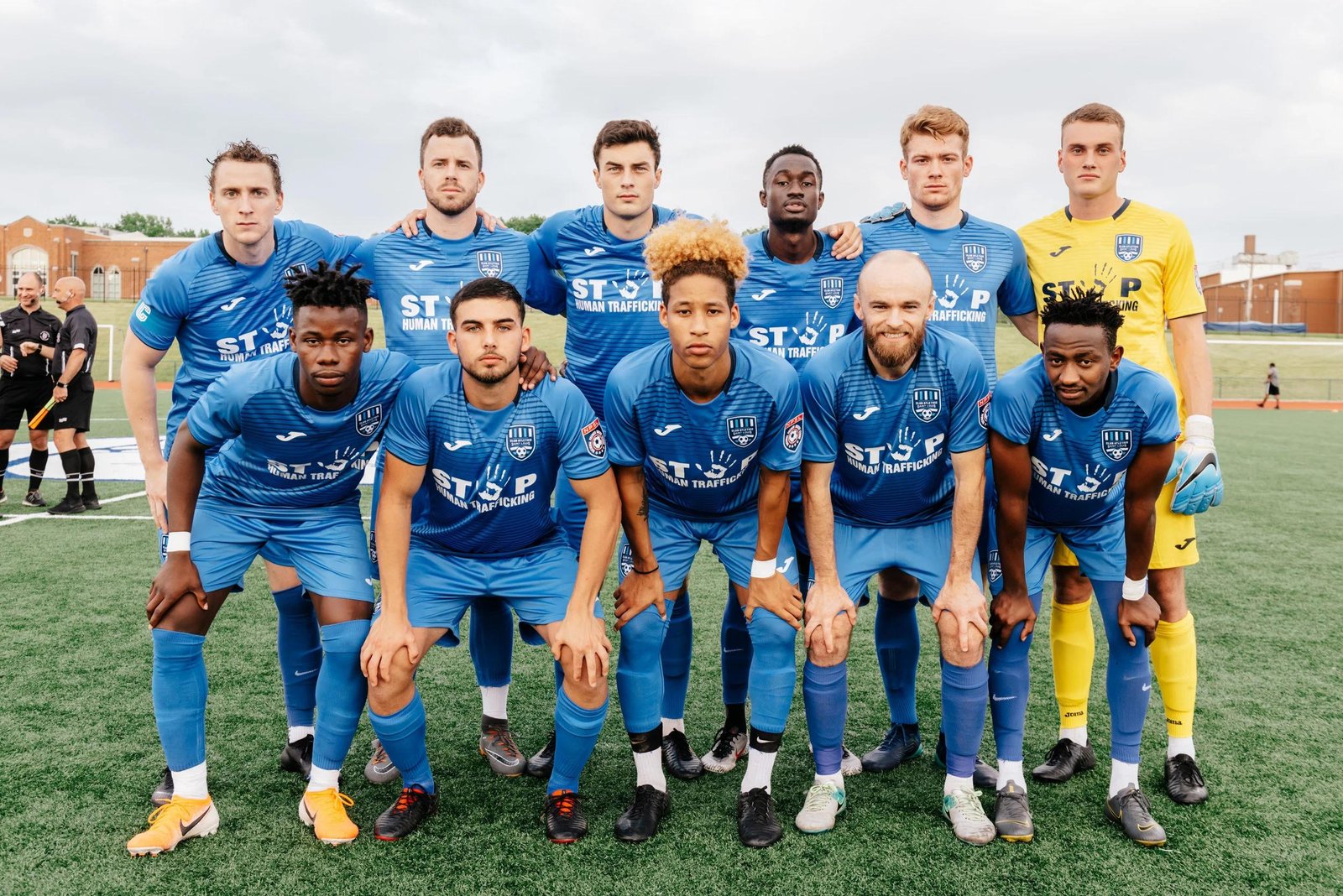
- Soccer teams: Jerseys, shorts, training shirts, and team tracksuits.
- Basketball teams: Basketball jerseys, shorts, warm-up apparel, and practice clothing.
- Football teams: Team jerseys, practice shirts, and training apparel.
- School and college teams: Sports shirts, team uniforms, jackets, and other coordinated apparel.
- Sports clubs: Custom apparel for players, coaches, and club members.
Start by listing the products you need and the number of people who will wear them. Consider whether you need uniforms for matches, regular training, travel, or multiple activities.
You should also think about your team’s identity. Do you already have a logo, official colors, or a preferred design? Having these details ready can make the customization process easier.
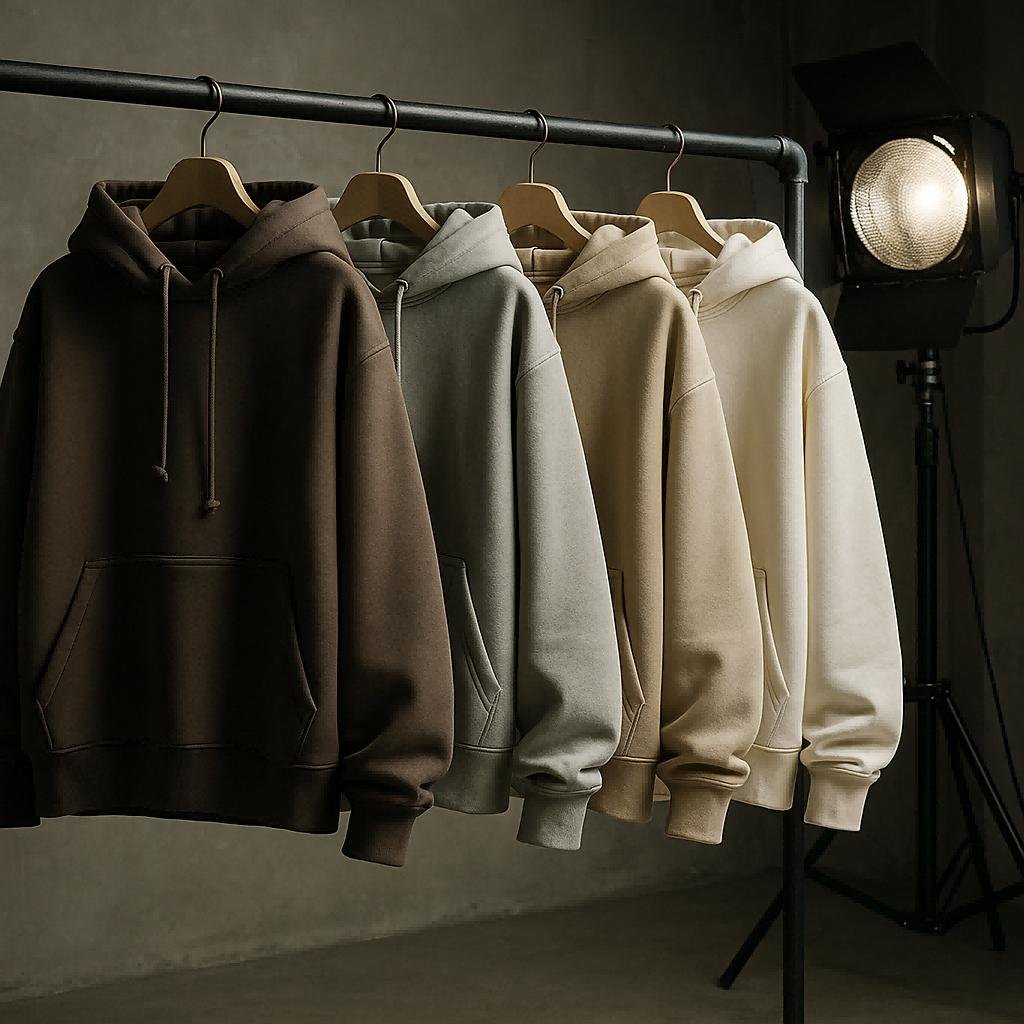
Teams and clothing brands looking for coordinated casual apparel can also explore our custom hoodies manufacturing options.
Custom sportswear also allows clubs to maintain a consistent look across different teams and age groups.
Tip: Prepare a basic list of required products, quantities, sizes, colors, and design preferences before requesting a quotation.
2. Choose the Right Fabric for Sportswear
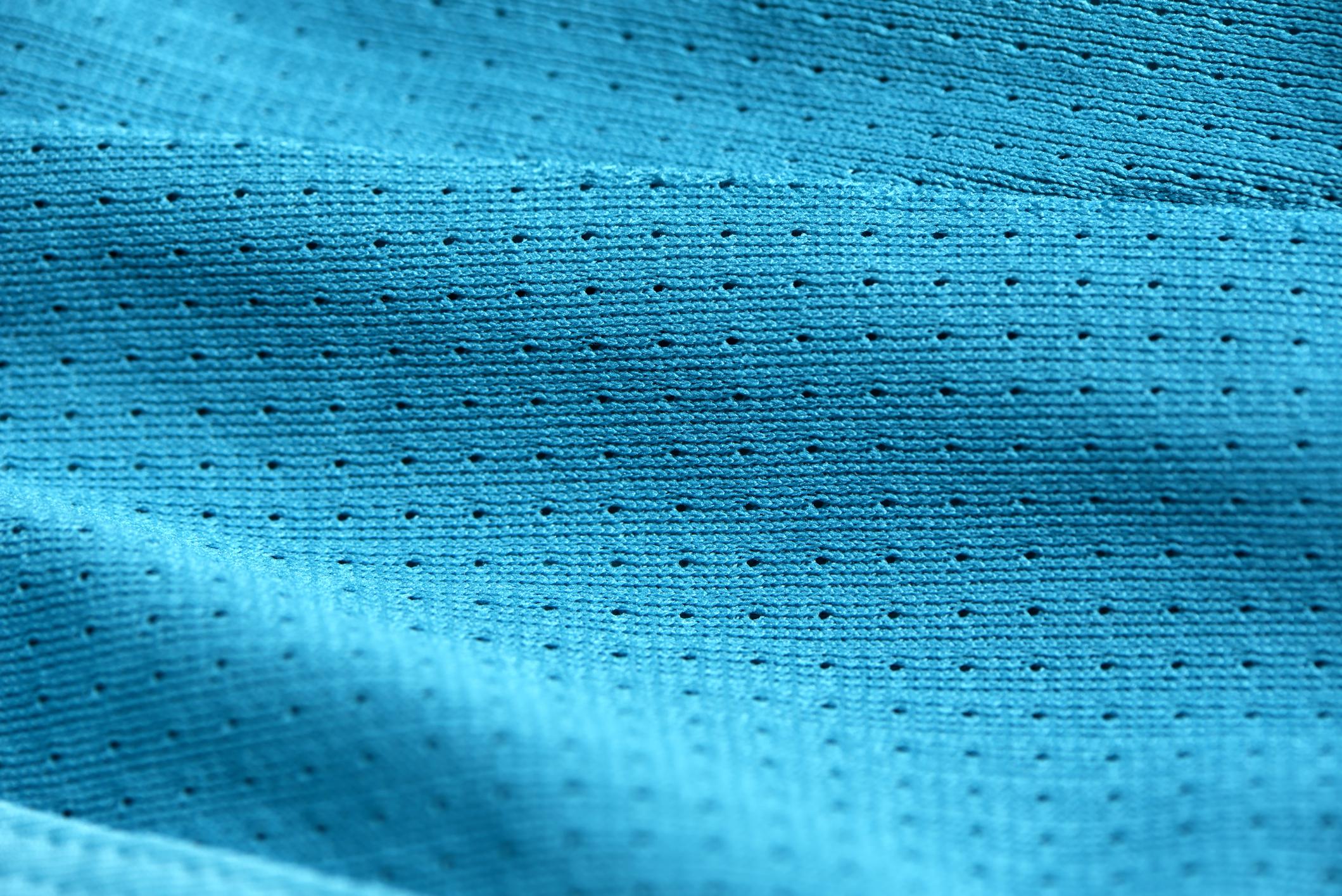
Fabric selection is one of the most important parts of choosing sportswear. The material affects how clothing feels, how it moves with the body, and how it performs during physical activity.
A fabric that works well for everyday clothing may not necessarily be the best choice for active sportswear.
Here are some fabric characteristics to discuss with your manufacturer:
Breathability
Sportswear should allow sufficient airflow to help athletes stay comfortable during physical activity. Breathable fabrics can help reduce the uncomfortable feeling of excessive heat during training and competition. You can also explore CottonWorks’ explanation of moisture-management technology to understand how fabric construction can influence moisture movement and drying.
Moisture Management
Athletes sweat during physical activity, so moisture management is an important consideration. Some performance fabrics are designed to move moisture away from the skin, helping clothing feel more comfortable.
When comparing materials, ask whether the fabric has moisture-management properties and whether these are suitable for your intended use.
Stretch and Flexibility
Sports involve different movements, including running, jumping, stretching, and changing direction. Depending on the sport, you may need fabric with suitable stretch and flexibility.
A comfortable fit should allow athletes to move naturally without unnecessary restriction.
Durability
Team apparel may be worn frequently and washed regularly. Consider how the fabric handles repeated use, washing, and the activities your team participates in.
Ask the manufacturer about fabric composition, construction, and available material options before making a decision.
Fabric Weight
Fabric weight can influence the feel and structure of a garment. Lightweight materials may be suitable for certain performance garments, while other products may require a different weight or construction.
Do not select a fabric based on weight alone. Consider the sport, climate, intended use, and comfort requirements together.
For further reading, this research review on sweat-drying performance in active sportswear explains how fabric properties influence moisture management and drying performance.
When selecting custom sportswear, always discuss fabric composition and garment weight with your manufacturer.
Remember: There is no single fabric that is perfect for every sport. The best option depends on the garment, activity, climate, and your team’s preferences.
3. Select a Design That Represents Your Team
One of the biggest advantages of custom sportswear is the ability to create apparel that reflects your team’s identity.
Instead of using generic designs, you can work towards a consistent appearance that matches your club, school, or organization.
Consider these design elements:
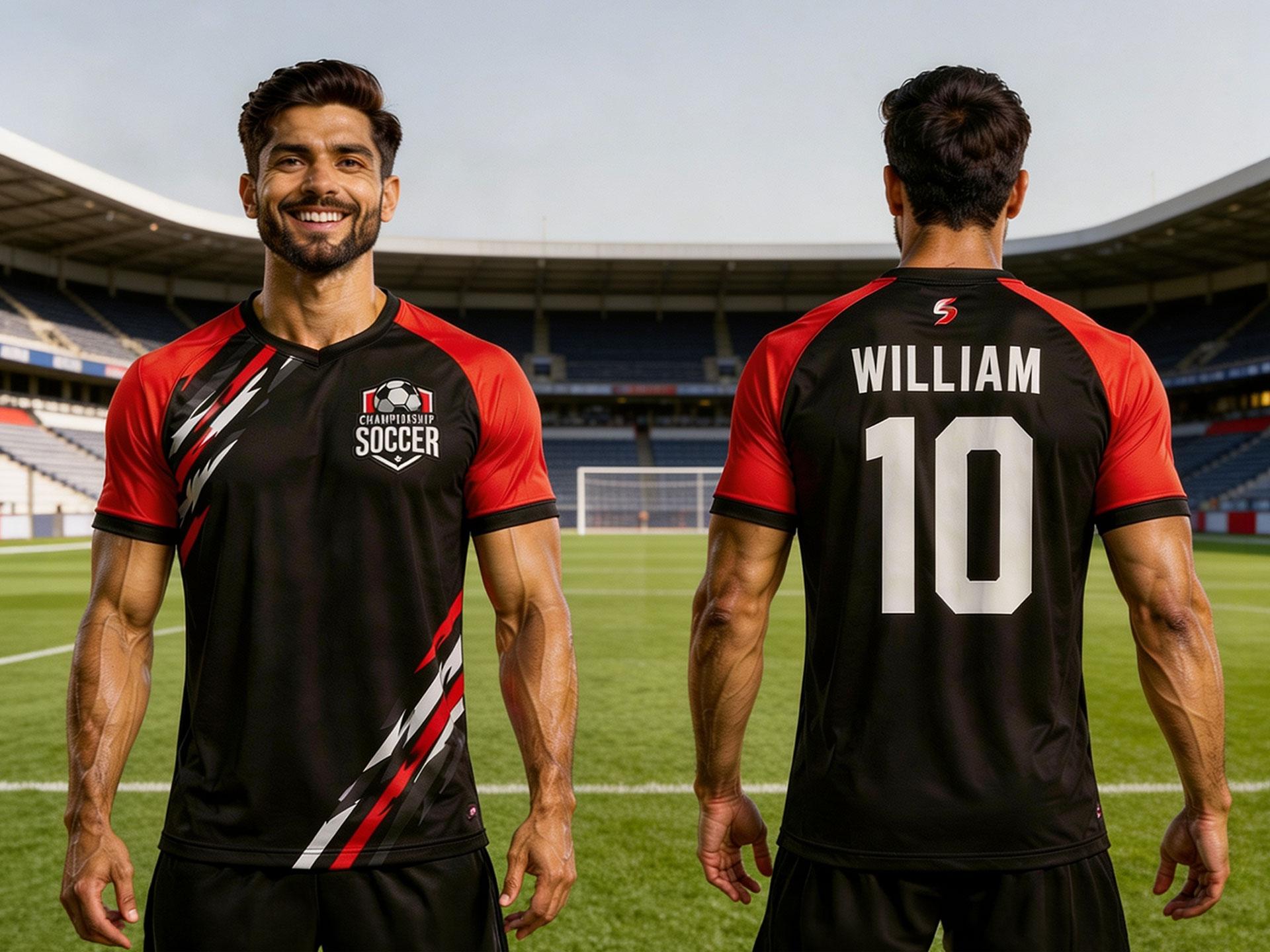
- Team colors: Use colors that match your official team identity.
- Logo placement: Decide where the team logo should appear on the apparel.
- Player names: Consider whether individual names are required.
- Player numbers: Make sure numbering is clear and easy to identify.
- Typography: Choose readable fonts for names, numbers, and other details.
- Design consistency: Keep a consistent visual style across jerseys, shorts, and other team apparel.
Before production, review the design carefully. Check the spelling of names, player numbers, logo placement, colors, and garment details.
A clear design brief can reduce misunderstandings and help the manufacturer understand what you expect.
A unique team design helps players feel proud of their identity and creates a recognizable appearance both on and off the field.
4. Explore Customization Options
Customization allows teams to create apparel according to their visual identity and practical requirements. However, the available techniques may differ depending on the garment, fabric, design, and manufacturer.
Some common customization methods used in apparel production include:
Sublimation Printing
Sublimation is commonly used for certain synthetic sportswear fabrics. It can be suitable for designs that include multiple colors, patterns, and detailed graphics.
Discuss fabric compatibility and the expected appearance of the finished design before selecting this method.
This option can help create visually consistent custom sportswear for teams with detailed designs.
Screen Printing
Screen printing is a widely used apparel decoration technique. It may be suitable for certain team designs, logos, and graphic applications.
Its suitability depends on the garment, artwork, design complexity, and production requirements.
This customization approach can help create distinctive custom sportswear for clubs and athletic organizations.
Embroidery
Embroidery creates a stitched design on the garment. It is often considered for logos and selected branding details.
Before choosing embroidery, discuss the fabric and design size with your manufacturer to ensure the result is appropriate for the garment.
Other Printing Options
Other printing methods may also be available depending on the manufacturer’s equipment and production capabilities.
Ask which customization options are suitable for your selected products instead of assuming that every technique works equally well on every fabric.
Tip: Share your logo and design files with the manufacturer and ask for recommendations on the most appropriate customization method.
5. Pay Attention to Fit and Sizing
Even a well-designed sports uniform can become uncomfortable if the fit is not right.
The right fit makes custom sportswear more comfortable for athletes during regular training and competition.
Sportswear should allow athletes to perform their activities without unnecessary restriction. At the same time, the fit should match the style and purpose of the garment.
Before placing an order, consider:
- Whether the team prefers a regular, relaxed, or athletic fit.
- Whether the apparel is intended for training or competition.
- Whether different age groups need different size ranges.
- Whether the garments will be worn over additional clothing.
- Whether a size chart is available for the selected products.
For team orders, collecting individual size information in advance can help avoid mistakes.
If possible, ask about sample garments or sizing samples before confirming a larger production order. This gives your team an opportunity to review the fit and make informed decisions.
6. Consider the Needs of Different Sports
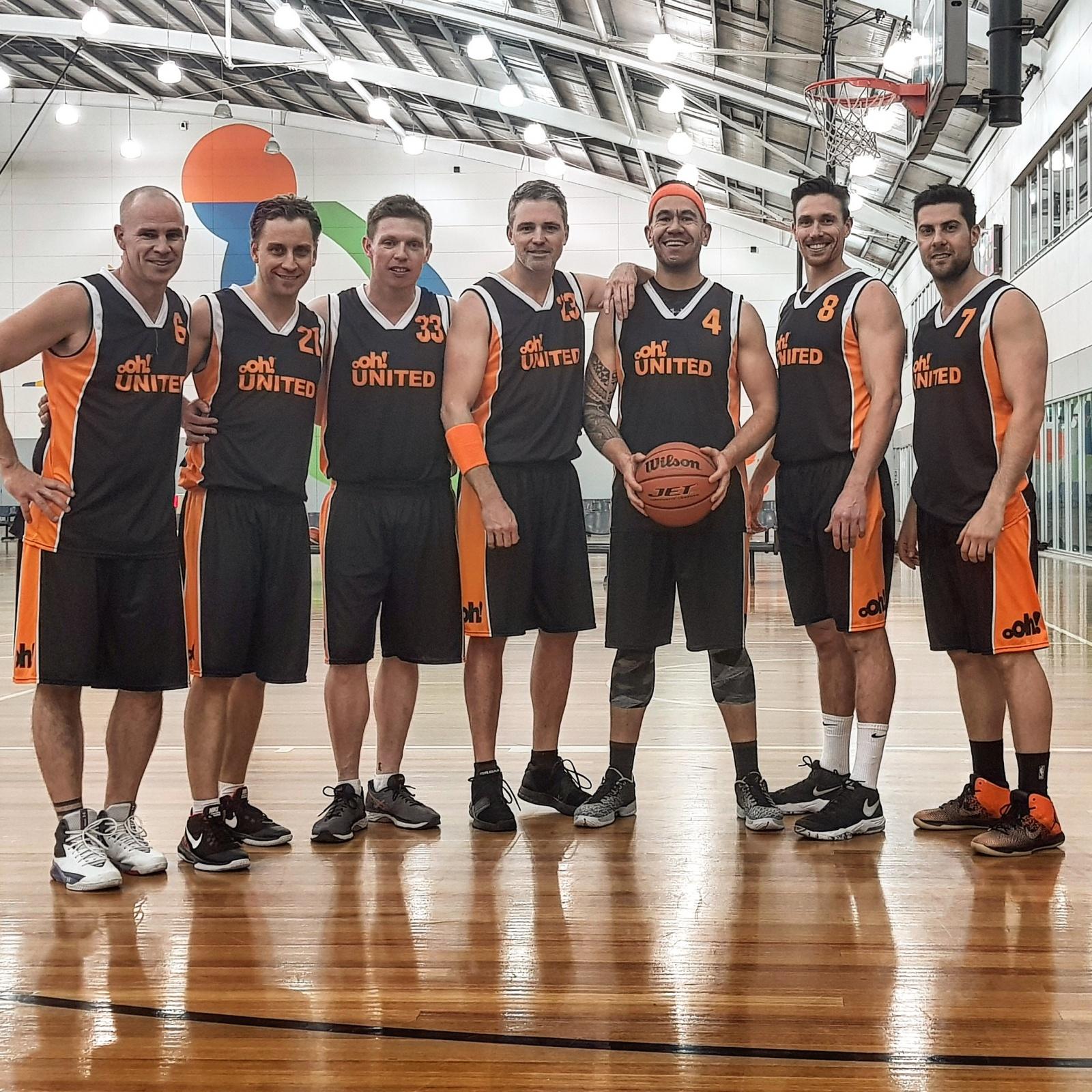
Not every sports team needs the same type of clothing. A soccer uniform and a basketball uniform may have different design, fit, and garment requirements.
Your apparel selection should reflect the sport and the way the clothing will be used.
Soccer Sportswear
Soccer teams commonly require jerseys, shorts, and training apparel. Consider comfortable materials, appropriate fit, clear player numbers, and a design that matches the club identity.
Basketball Sportswear
Basketball apparel needs to accommodate frequent movement, jumping, and changes in direction. Teams should consider the cut, fit, fabric feel, and freedom of movement when selecting jerseys and shorts.
Football Sportswear
Football teams may require different types of apparel for training, practice, and team activities. Consider the intended use of each garment before deciding on its material and design.
Training and Club Apparel
Many clubs also need coordinated clothing beyond match uniforms. Training shirts, jackets, tracksuits, and other apparel can help create a consistent team appearance.
The important point is to select products according to actual team requirements rather than ordering the same style of clothing for every activity.
7. Choose a Manufacturer That Understands Custom Sportswear
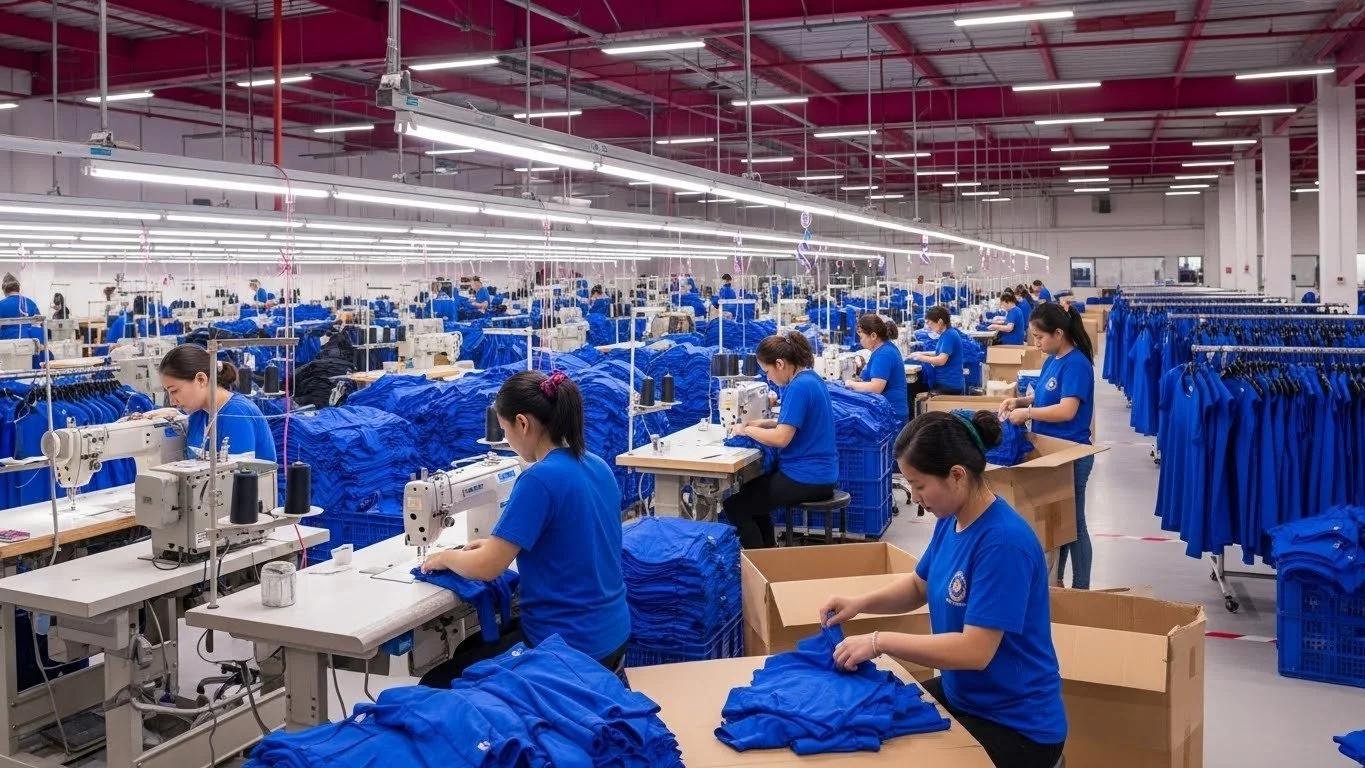
Finding the right custom clothing manufacturer is just as important as choosing the right fabric and design.
Working with a reliable manufacturer gives teams greater confidence throughout the customization and production process.
A manufacturer should be able to understand your requirements, explain the available options, and communicate clearly throughout the order process.
Before selecting a custom sportswear manufacturer, consider the following:
Experience With Custom Apparel
Ask whether the manufacturer has experience producing the type of sportswear you need. Different garments can involve different materials, construction methods, and customization requirements.
Customization Capabilities
Discuss the available options for colors, logos, patterns, player names, and numbers. Confirm which techniques are suitable for your selected products.
Discuss your custom sportswear requirements with the manufacturer before confirming the production details.
Clear Communication
A good production process starts with clear communication. The manufacturer should understand your design brief, quantities, sizing requirements, and expectations.
An experienced manufacturer can help you select custom sportswear options that match your team’s requirements.
Samples and Design Approval
Ask whether you can review a sample or approve a production-ready design before the full order begins.
This can help identify issues with sizing, colors, placement, and other details before production moves forward.
Pricing and Order Details
Request a quotation that clearly explains what is included. Check product specifications, customization costs, quantities, shipping arrangements, and any other applicable charges.
Do not compare manufacturers on price alone. Consider the complete offer, communication, product specifications, and suitability for your requirements.
8. Understand MOQ, Pricing, and Production Details
Before confirming an order, make sure you understand the manufacturer’s ordering and production requirements.
Before ordering custom sportswear in bulk, clarify all pricing and production requirements with your manufacturer.
One important detail is the Minimum Order Quantity (MOQ). MOQ refers to the minimum number of units a manufacturer requires for an order or a particular product.
MOQ can vary according to the manufacturer, garment type, customization method, and production requirements.
Other details to clarify include:
- Minimum order quantity for each product.
- Price per unit at different order quantities.
- Additional charges for logos, names, or numbers.
- Sample costs, if applicable.
- Payment terms.
- Estimated production timeline.
- Shipping costs and delivery arrangements.
- Policies for damaged or incorrect items.
Requesting these details in writing can make it easier to compare quotations and understand the complete cost of your order.
Tip: Provide accurate quantities and product specifications when requesting a quote. This helps manufacturers prepare a more relevant estimate.
9. Review Samples Before Bulk Production
A sample can help you understand what the finished product may look and feel like.
Even when a design looks perfect on a computer screen, the physical garment may have differences in fit, fabric feel, color appearance, or print placement.
If samples are available, review the following:
- Fabric feel and weight.
- Stitching and garment construction.
- Overall fit and sizing.
- Logo and graphic placement.
- Color appearance.
- Print or embroidery finish.
- Comfort during movement.
Share any required changes with the manufacturer before approving the final design or production sample.
This step is particularly useful for teams ordering multiple uniforms because a small design or sizing issue can affect several garments.
10. Plan Your Order in Advance
Sports teams often have specific dates for tournaments, leagues, training sessions, and other events. Leaving apparel orders until the last moment can create unnecessary pressure.
Start the process early enough to discuss designs, confirm sizes, review samples, and arrange production and delivery.
Your planning should include:
- Finalizing the product list.
- Preparing logos and design references.
- Collecting team sizes and quantities.
- Requesting quotations from manufacturers.
- Reviewing available samples.
- Confirming the final design and order details.
- Agreeing on production and delivery arrangements.
Always ask the manufacturer for a realistic timeline based on your actual order. Production and shipping schedules can vary, so avoid relying on general estimates without confirmation.
11. Common Mistakes to Avoid When Ordering Custom Sportswear
A few common mistakes can make the custom apparel process more difficult than it needs to be.
Choosing Design Over Comfort
An attractive design is important, but sportswear also needs to be suitable for physical activity. Consider fabric, fit, and intended use alongside appearance.
Ignoring Fabric Specifications
Do not select material based only on a product image or a general description. Ask for fabric composition and other relevant specifications.
Providing Incomplete Design Details
Missing logos, unclear colors, incorrect player numbers, and incomplete size information can lead to avoidable revisions.
Prepare your design files and product requirements before confirming the order.
Not Checking the Size Chart
Never assume that every manufacturer follows the same sizing measurements. Review the size chart and confirm how measurements are taken.
Comparing Only the Lowest Price
A low quotation may not include all the customization, sample, or delivery costs. Compare the complete specifications and terms before making a decision.
Placing an Order Without Reviewing the Details
Before production begins, confirm the final design, quantities, sizes, materials, customization, and agreed terms in writing.
12. Why Choose Custom Sportswear for Your Team?
Custom sportswear gives teams greater control over how their apparel looks and how it reflects their identity.
Here are some of the main reasons teams consider custom-made apparel:
- Team identity: Consistent colors, logos, and designs help establish a recognizable team appearance.
- Design flexibility: Teams can choose designs that match their preferences and requirements.
- Coordinated apparel: Different products can follow a consistent visual style.
- Specific requirements: Teams can discuss garment types, sizing, and customization before production.
- Organization: Player names, numbers, and team branding can be incorporated into the design where suitable.
For sports clubs, schools, organizations, and teams, custom apparel can be a practical way to create a coordinated look that represents their group.
Final Thoughts
Choosing the right custom sportswear involves more than selecting a jersey design. You need to consider your team’s requirements, fabric, comfort, fit, customization options, sizing, budget, and the manufacturer responsible for production.
Start with a clear product list and design brief. Compare material and customization options, review samples when available, and confirm all order details before bulk production.
Most importantly, work with a manufacturer that understands your requirements and communicates clearly throughout the process.
At Falmatoo, we understand that every team has its own identity and apparel requirements. If you are planning custom sportswear for your team, club, or organization, get in touch with us to discuss your requirements and explore suitable custom apparel options.
Investing time in selecting the right custom sportswear can help your team achieve a coordinated and professional appearance.
Choosing suitable custom sportswear starts with understanding your team’s needs and working with the right manufacturing partner.
Ready to discuss your team’s custom sportswear requirements? Contact Falmatoo and share your design ideas with us.
FAQ
1. What is the MOQ for custom sportswear?
Falmatoo Cloth generally offers a starting MOQ of 12–15 pieces for custom sportswear orders. However, the final minimum order quantity may vary depending on the product type, fabric, customization techniques, and production requirements. Contact our team with your specifications to confirm the MOQ for your particular order.
2. Can we order custom sportswear in different sizes?
Yes. Team orders can include different sizes to accommodate individual players. Share your required size breakdown with us so we can discuss the available sizing and production arrangements.
3. Can you manufacture custom sportswear using our own designs?
Yes. You can share your own artwork, logos, color combinations, player names, numbers, and design references. Our team can review your requirements and discuss suitable production and customization methods.
4. Can we receive a sample before placing a bulk order?
Yes. You can discuss a sample order before proceeding with bulk production. This allows you to evaluate the fabric, fit, stitching, colors, and customization before approving the production specifications.
5. Do you manufacture custom sportswear for international teams and clubs?
Yes. Falmatoo Cloth is a clothing manufacturer based in Sialkot, Pakistan, serving international customers. We work with clients looking for customized apparel and can discuss shipping arrangements for international orders.
6. How much does it cost to manufacture custom sportswear?
Pricing depends on the garment type, fabric, quantity, customization techniques, and delivery destination. Send us your design references and estimated quantities to receive a quotation based on your requirements.
7. Can you add team logos, player names, and numbers to sportswear?
Yes. Depending on the selected garment and fabric, we can discuss printing, embroidery, and other suitable customization options for team logos, player names, numbers, and graphics.
8. How long does custom sportswear manufacturing take?
Production time depends on the order quantity, garment specifications, fabric availability, and customization requirements. We recommend sharing your required delivery date when requesting a quotation so the production and shipping schedule can be discussed in advance.
9. Can you manufacture complete team uniforms?
Yes. You can discuss coordinated apparel requirements, including jerseys, shorts, training shirts, and other team clothing. We can review the products and specifications you need for your team.
10. How can we get a quotation from Falmatoo Cloth?
Share your product type, design references, estimated quantity, size breakdown, customization requirements, and delivery country with our team. We can review your requirements and provide a quotation for your project.